

By Jessica Krock, LCSW
Grief books for adults promote overall literacy, making communities emotionally safer, more compassionate, and more capable of supporting people through one of the most universal human experiences. Discover our top picks below.
Key Takeaways
- Books on grief offer a framework for what people are experiencing, reduce isolation, and support healthier coping.
- Reading to understand grief provides structure, language, and a sense of orientation to a deeply chaotic and isolating experience.
- Our list of grief books can be a great place to start for adults looking to work toward greater healing and acceptance.
- Learning more about grief helps us treat each other with more patience, compassion, and presence, and encourages seeking support.
How Grief Books Can Help You Heal
For some, navigating a new loss can feel like a very unfamiliar world. Many may feel like strangers in their own lives and need tools and support to help them feel less alone.
Books on grief and loss can be a key part of the journey of understanding the grief experience and how to keep going without a loved one.
Reading to understand grief matters because it gives your mind something that grief itself rarely offers: structure, language, and a sense of orientation.
From a therapist’s perspective, the core value is that reading helps people make meaning out of something that feels chaotic and isolating.
In essence, grief books for adults written by experts can help:
1. Understand and Normalize What You’re Feeling
Grief often makes people feel like they’re “going crazy.” Reading helps people see that their reactions—numbness, anger, confusion, you name it—are common human responses.
This normalizes grief and reduces shame and self‑judgment, which are major barriers to healing.
Many people don’t have words for what they’re feeling. Books and articles give language for complex internal experiences. When someone can name what’s happening (“anticipatory grief,” “ambiguous loss,” “secondary losses”), they can understand it and communicate it more clearly.
2. Give Structure and a Sense of Belonging
Grief is unpredictable and can also feel very lonely. Reading provides structure—models, stages, patterns—not because grief follows rules, but because humans cope better when they understand what might be happening. This helps grievers feel less at the mercy of their emotions.
Furthermore, reading others’ stories creates a sense of shared humanity. It reminds people that their pain is real, valid, and survivable.
3. Offer Practical Coping Strategies
Therapeutic writing on grief often includes practical strategies—grounding techniques, ways to process memories, how to navigate anniversaries, and how to talk to others.
This helps people avoid harmful coping patterns like emotional suppression or isolation. Grief isn’t just about loss; it’s about reorganizing life around that loss.
Reading helps people explore questions like: What does this loss mean to me? How has it changed my identity? What does healing look like now? This is the heart of therapeutic work.
4. Encourage You to Share Your Experience
Books on grief can help some feel more inclined to verbalize their grief experience with others. Many people weren’t taught how to express or process grief.
Reading models healthy emotional expression and gives examples of how to talk to others about what they’re going through.
Our Top Picks on Grief Books for Adults
The brief list below is a great place to start for adults looking for books on grief that will actually help work toward greater healing and acceptance.
Important note: the order of the books is not ranked or significant; each suggestion offers valuable tools to help you navigate this painful experience.
It’s OK That You’re Not OK: Meeting Grief and Loss in a Culture That Doesn’t Understand
By Megan Devine, LPC
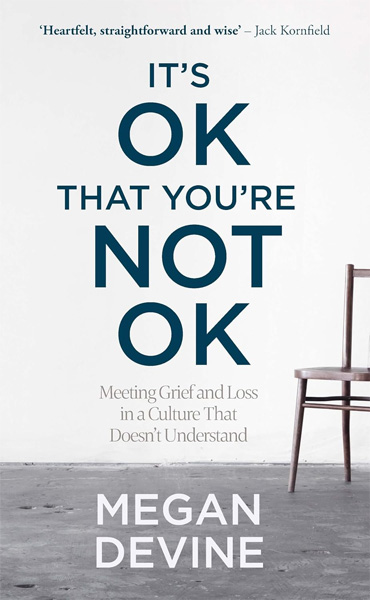
Devine challenges cultural expectations that push people to “move on” or “feel better” quickly. She explains why grief feels so disorienting, how society often fails grievers, and why emotional pain is not a problem to solve but an experience to witness.
The book offers compassionate guidance for living alongside grief while honoring the love beneath it.
Moving On Doesn’t Mean Letting Go: A Modern Guide to Navigating Loss
By Gina Moffa, LCSW
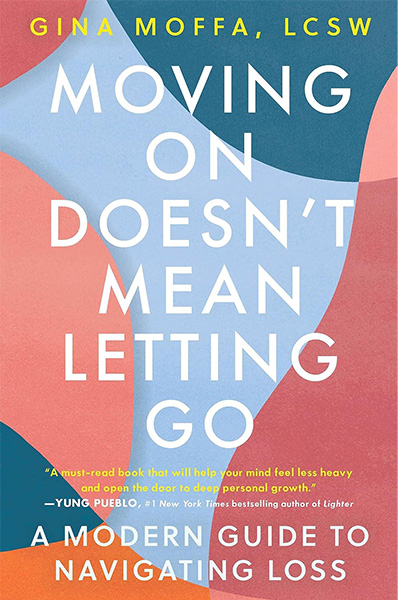
Moffa explores how grief affects the mind and body, especially in a culture that pressures people to “bounce back.” She provides practical tools for coping with overwhelm, anxiety, and emotional waves, while emphasizing that healing doesn’t require forgetting or detaching from the person or thing you lost.
The book blends neuroscience, therapeutic strategies, and compassionate storytelling.
The Grieving Brain: The Surprising Science of How We Learn from Love and Loss
By Mary-Frances O’Connor, PhD
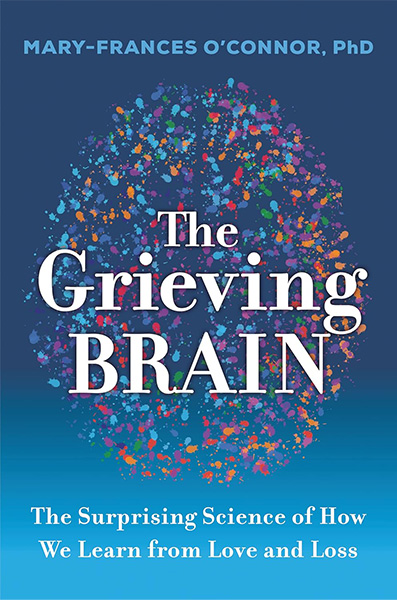
O’Connor is a neuroscientist and explains why grief feels the way it does by examining the brain’s attachment systems. She describes how the brain learns to understand that a loved one is gone and how this learning process shapes the emotional experience of grief.
The book offers comfort through knowledge, showing that grief is not a failure of coping but a biological process of reorientation.
Bearing the Unbearable: Love, Loss, and the Heartbreaking Path of Grief
By Joanne Cacciatore, PhD
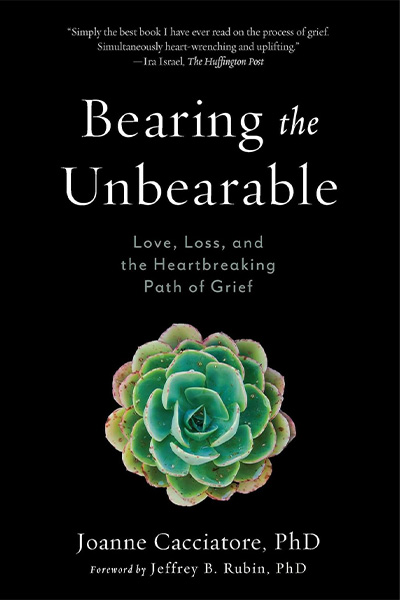
Cacciatore, a grief therapist and researcher, offers short reflections that validate the depth of loss and honor the love that remains.
The book emphasizes mindfulness, compassion, and presence, encouraging readers to stay connected to their grief rather than avoid it. It’s especially powerful for traumatic or life-shattering losses.
Healing After Loss: Daily Meditations For Working Through Grief
By Martha W. Hickman
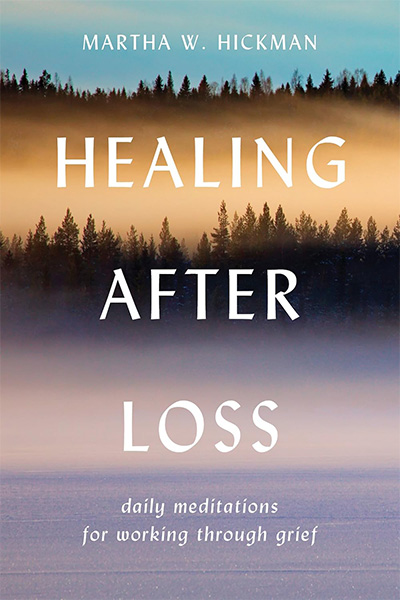
This book provides a short meditation for each day of the year, helping grievers find small moments of steadiness and meaning.
The entries focus on acceptance, resilience, and the ongoing relationship with the person who died. It’s structured, soothing, and ideal for people who want a manageable daily practice.
Welcome to the Grief Club: Because You Don’t Have to Go Through It Alone
By Janine Kwoh
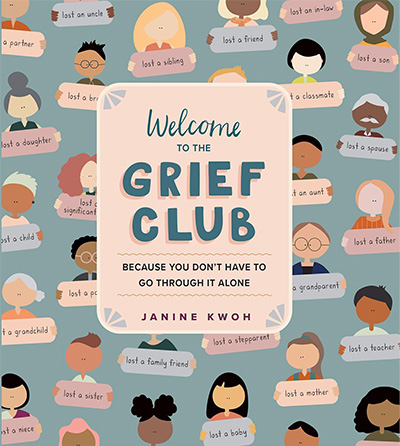
Kwoh blends personal experience, drawings, and compassionate insights to create a book that feels like a supportive friend. It acknowledges the absurd, painful, and confusing parts of grief while offering validation and gentle encouragement
It’s accessible, relatable, and especially helpful for people who feel alone or misunderstood.
How Grief Books Can Help Us Support Each Other
A grief‑literate society is ultimately a more humane society. It recognizes that grief is not a problem to fix but a reality to honor.
When we understand grief, we treat each other with more patience, compassion, and presence.
Many people feel pressure to “move on,” “be strong,” or “get over it.” A grief‑literate society understands that grief is not a failure or a weakness. This reduces the shame that often isolates grieving people and prevents them from seeking support.
Most people want to help but don’t know how. Grief literacy teaches people what is actually supportive: presence, listening, validation—rather than clichés or platitudes that unintentionally hurt. This leads to fewer harmful interactions and more meaningful connections.
Find Support for Grief & Loss in Deerfield, IL
Whether you’re just beginning your journey or have been living with grief for a while, these books can be valuable resources to help you normalize your experience and move toward healing.
If you feel you need extra support, our therapists provide grief and loss therapy. Feel free to reach out to us or get started with a free phone consultation here.
About the Author:

Jessica Krock, LCSW
Jessica is a Licensed Clinical Social Worker focused on helping adolescents, adults, and couples build meaningful, values-driven lives through acceptance and evidence-based approaches.
With over seven years of experience, she specializes in anxiety, OCD, trauma, depression, grief, relationship issues, life transitions, and LGBTQ+ issues.